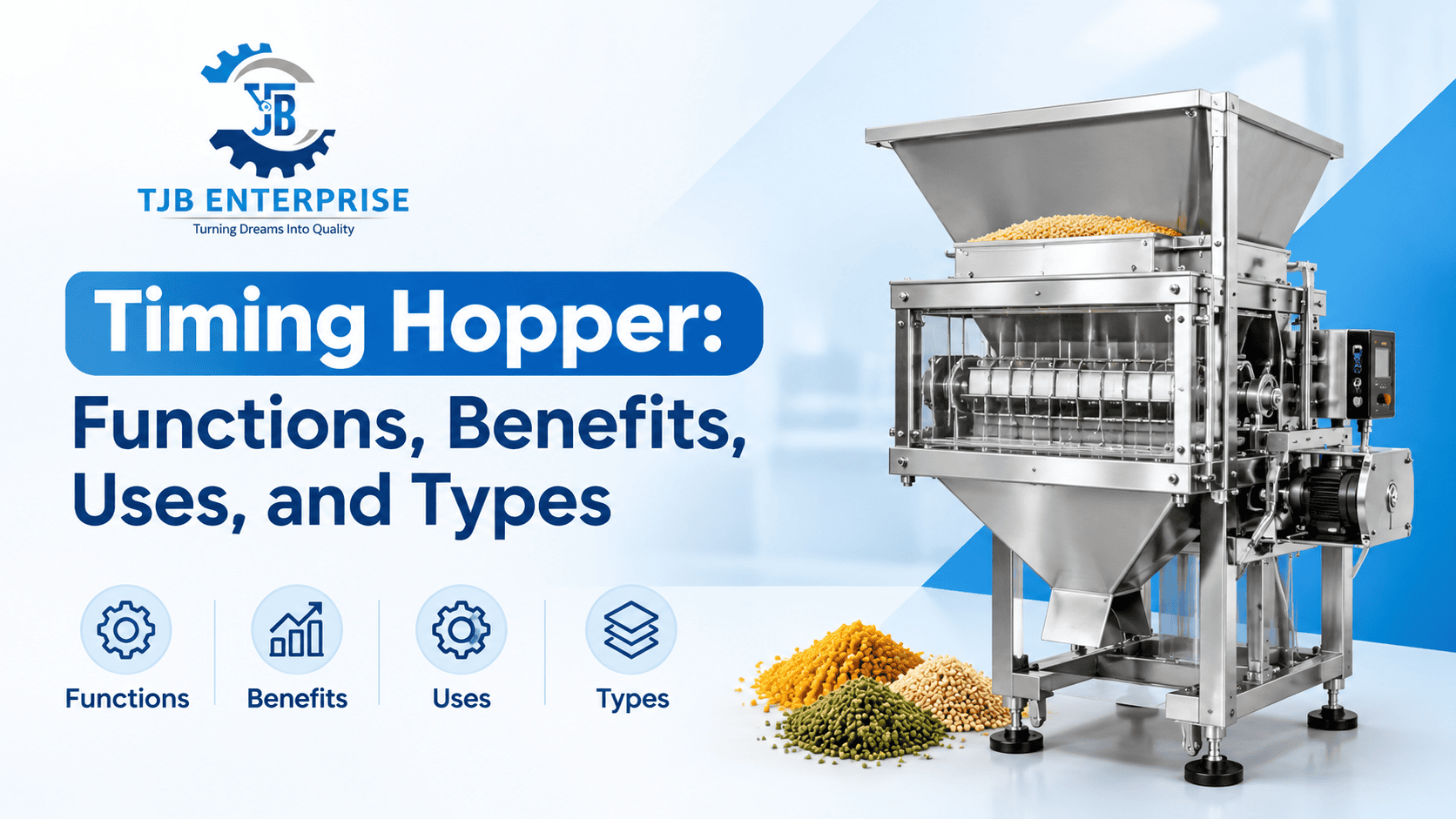
A timing hopper is a small holding hopper placed between a weigher and a packing machine. It collects each weighed portion of the product. It then releases the portion at the exact moment the packing machine is ready for it.
Without a timing hopper, the weigher must drop product only when the bag is ready. The weigher then waits while the bag is formed. This waiting time slows the whole line.
A timing hopper removes that delay. The weigher drops its portion into the hopper and starts the next weighing cycle at once. The packing machine pulls product from the hopper when it needs it.
This simple step can raise line speed and improve pack quality. It also reduces product scatter and spillage at the filling point.
This guide explains how a timing hopper works, what it offers, and where it is used. It also covers the main types and what to check when you look for the best timing hopper in India. TJB ENTERPRISE supplies weighing and packing equipment for daily industrial use, so the guide also shows how a supplier can help you choose.
What are the Key Functions of Timing Hopper?
The main job of a timing hopper is to sync two machines that work at different moments. It holds the product briefly and then delivers it on cue.
- Collecting the weighed product. The weigher releases a measured portion into the hopper. The hopper catches it and holds it in place. Nothing falls into the bag too early.
- Releasing product on a signal. The packing machine sends a signal when the bag is open and ready. The hopper gates open and the product drops in. The signal keeps both machines in step.
- Freeing the weigher. Once the weigher drops its load, it can begin the next cycle. It does not wait for the bag. This is how the hopper raises speed.
- Guiding product into the bag. The hopper shape directs the product through a narrow outlet. This helps the product land inside the bag neck. It cuts down on spills and dirty seals.
- Keeping the product contained. The hopper walls stop loose pieces from bouncing out. This is useful for light or irregular items such as snacks and dry fruits.
- Supporting steady output. The hopper smooths out small timing differences. The line runs with fewer stops and fewer uneven fills.
What are the Core Benefits of Timing Hopper?
The biggest benefit is higher packing speed. The weigher and the packing machine work at the same time instead of one after the other.
- More bags per minute. Weighing and bag forming overlap. The line makes better use of every second. Output rises without buying a larger machine.
- Cleaner seals. Product drops in a controlled stream. Less product lands in the sealing area. This reduces weak seals and leaking pouches.
- Less product waste. Controlled release keeps product inside the bag. You lose less to the floor and the machine. Over many shifts, this adds up.
- Better weight accuracy. The weigher completes its measurement without being rushed. The hopper then delivers the full portion. Pouches stay closer to the target weight.
- Gentler handling. A well-shaped hopper reduces the drop and bounce of delicate products. This helps lower breakage in snacks, nuts, and fragile pieces.
- Smooth line integration. The hopper acts as a buffer between two machines. It absorbs small differences in timing. This makes the line easier to run.
- Simple and low upkeep. The hopper has few moving parts. Cleaning and inspection are quick, especially in stainless steel.
- Good value. A timing hopper costs far less than a faster weigher or a second packing line. It is often one of the cheapest ways to raise output.
How Does a Timing Hopper Optimize Performance in a Multi Head Weigher with Pouch Packing Machine?
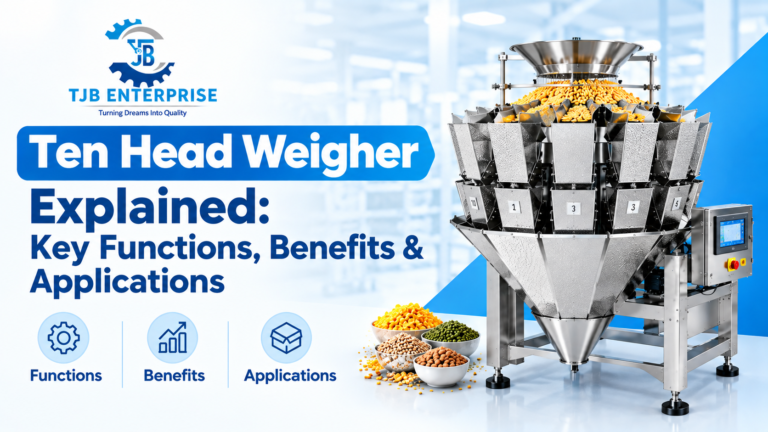
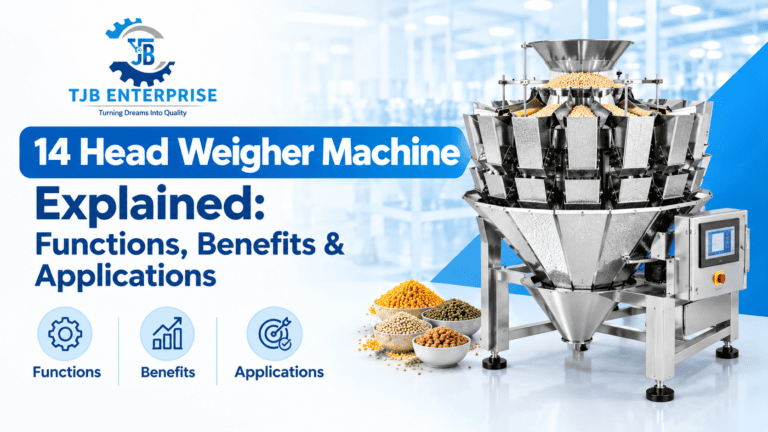
In a Multi Head Weigher with Pouch Packing Machine, the timing hopper acts as a critical intermediate buffer between the multihead weigher (10 or 14 heads) and the pouch packing unit. After the weigher selects and discharges the precise combination of product (10 g to 1 kg at ±0.1% accuracy), the timing hopper temporarily collects the portion and holds it until the packaging machine is ready to receive it.
This synchronized release ensures accurate, splash-free filling into the forming tube, prevents product wastage or sealing issues, allows the weigher to continue its next cycle without delay, and supports high speeds of 45–60 bags per minute. Overall, it enhances efficiency, product integrity, and seamless integration of the complete packaging line.
Common Applications of Timing Hopper
A timing hopper suits packing lines that fill pouches with weighed, free-flowing product. It is used wherever a weigher feeds a vertical packing machine.
Food and snacks:
- Namkeen, chips, and puffed snacks
- Rice, pulses, and grains
- Nuts, dry fruits, and seeds
- Tea, sugar, and salt
Agriculture and feed:
- Seeds and whole spices
- Pet food and animal feed pellets
Household and light industrial goods:
- Detergent granules
- Small plastic parts
- Fasteners and similar items
Typical machine pairings:
- Four head and multi head weighers
- Linear weighers
- Vertical form fill seal machines
- Automatic pouch packing machines
The hopper matters most on faster lines. At low speed, the gain is small. At higher speed, it can make a clear difference.
Product type also matters. Very sticky or wet products may cling to the hopper walls. Fragile items may need a gentler shape. Always share your product details with your supplier before ordering.
Common Types of Timing Hopper
Timing hoppers come in several designs. The right choice depends on your product, line speed, and weigher.
- Single timing hopper. One hopper holds one portion at a time. It suits moderate speed lines and simple setups. It is the most common and the most economical type.
- Dual timing hopper. Two hoppers work in turn. One fills while the other discharges. This allows higher speed and smoother flow.
- Storage hopper type. This design holds a larger buffer of product. It suits lines where the weigher and packing machine run unevenly.
- Stainless steel hopper. The hopper is made of stainless steel. It suits food products and wet cleaning areas. It also lasts longer under heavy use.
- Mild steel hopper. A painted mild steel hopper suits general industrial products. It is a practical option where hygiene needs are lower.
- Custom-shaped hopper. The hopper size, angle, and outlet are made for your product. This helps with irregular, sticky, or fragile items.
How to Choose the Best Timing Hopper
The best timing hopper is the one that fits your product, weigher, and speed. A few checks help you decide.
- Match it to your weigher. The hopper capacity must suit the weigher portion size. A hopper that is too small will overflow. One that is too large wastes space.
- Match it to your line speed. Faster lines often need a dual hopper. Slower lines can work well with a single hopper.
- Check the build material. Pick stainless steel for food use. Check the finish inside the hopper, since a smooth surface helps product flow.
- Think about your product. Sticky, light, or fragile products need the right hopper shape. Ask for a trial if possible.
- Confirm the signal setup. The hopper must connect cleanly with your packing machine. Ask the supplier how the timing signal is handled.
Why Look at TJB ENTERPRISE for a Timing Hopper?
Many buyers search for the best timing hopper in India. The truth is that “best” depends on your line. A good supplier helps you find the right fit and not just a standard product.
TJB ENTERPRISE supplies weighing and packing machines for daily industrial use. The focus is on dependable performance, simple operation, and real support after the sale.
- Advice based on your product. The team asks about your product, pack size, and output target. They then suggest a suitable hopper design.
- Fit with your full line. A timing hopper works only as well as the machines around it. You can pair it with a weigher and a pouch packing unit from one source. This reduces compatibility problems.
- Built for long shifts. Strong construction and clean finishing help the hopper run through long working hours. Cleaning stays simple.
- Help after installation. Installation guidance, spare parts, and operator support keep your line running.
When you compare options, look beyond the price. Check build quality, spare part access, and service response. Send your product and line details to TJB ENTERPRISE to get a clear recommendation and quotation.
FAQ
- What is a timing hopper used for?
A timing hopper holds a weighed portion of product and releases it into the bag at the right moment. It sits between a weigher and a packing machine. This lets both machines work at the same time and raises line speed. - Does a timing hopper increase packing speed?
Yes, in most cases. The weigher can start its next cycle as soon as it drops a portion into the hopper. It no longer waits for the bag to form. The gain is larger on faster lines. - What is the difference between a single and a dual timing hopper?
A single timing hopper holds one portion at a time and suits moderate speeds. A dual timing hopper uses two hoppers in turn, so one fills while the other discharges. Dual types suit higher-speed lines. - How do I choose the best timing hopper in India?
Match the hopper to your weigher size, line speed, and product type. Check the build material and the inside finish. Ask your supplier about trials and signal setup with your packing machine. The best choice is the one that fits your line. - Can TJB ENTERPRISE supply a timing hopper with a weigher and packing machine?
TJB ENTERPRISE supplies weighing and packing machines for industrial use. You can pair a timing hopper with a weigher and a pouch packing unit from one source. Share your product and output needs to get a suitable recommendation and quotation.